The delegation was warmly received by Saurabh Singh, Project Director, PIU Vasant Vihar, who briefed them on the progress of the expressway and its importance in strengthening regional connectivity. He highlighted that once completed, the expressway will substantially reduce travel time between Delhi and Dehradun while improving transport efficiency across the region.
Officials explained that special care has been taken in stretches passing through environmentally sensitive zones near Rajaji National Park. Innovative engineering measures have been incorporated to ensure the safety of wildlife and to preserve the natural movement of animals in the forest landscape.
During the visit, Ajay Lingwal, SDO, Rajaji National Forest Range, along with Sumit Singh, Site Engineer, NHAI, interacted with the delegation and elaborated on the wildlife conservation measures integrated into the project. These include the construction of dedicated wildlife underpasses, eco-bridges and natural corridors, allowing animals to cross the highway safely without disturbing their habitat.
The delegation was informed that such features are designed after detailed ecological studies and are increasingly becoming a key component of infrastructure development in forested regions. These interventions help prevent road accidents involving wildlife while maintaining the ecological continuity of the landscape.
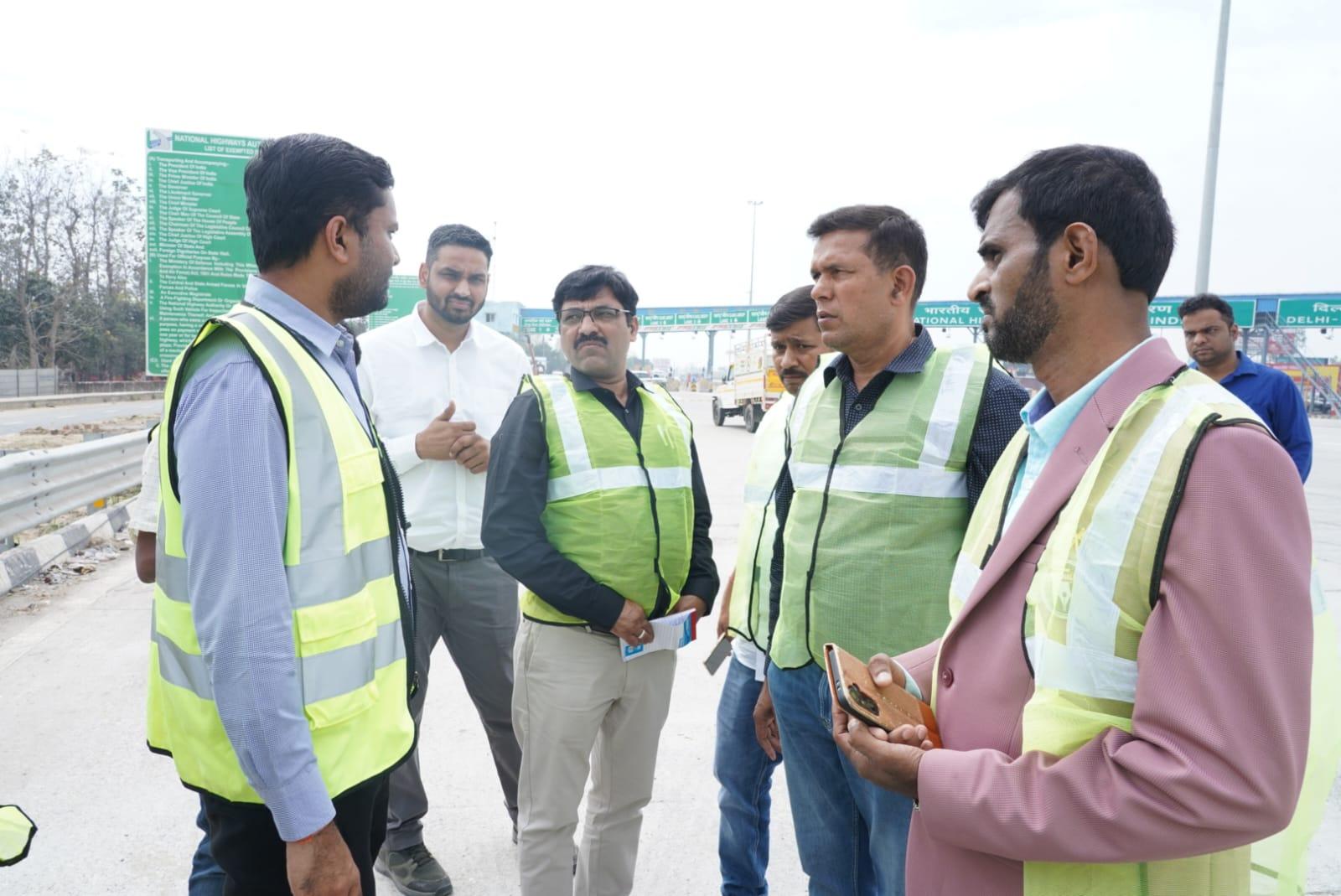
Members of the delegation appreciated the thoughtful planning behind the project and noted that the expressway represents a progressive approach to sustainable connectivity, where infrastructure growth goes hand in hand with environmental stewardship.
The visit provided valuable exposure to the delegation on how infrastructure projects in India are adopting innovative and responsible practices to protect biodiversity while enhancing connectivity.