

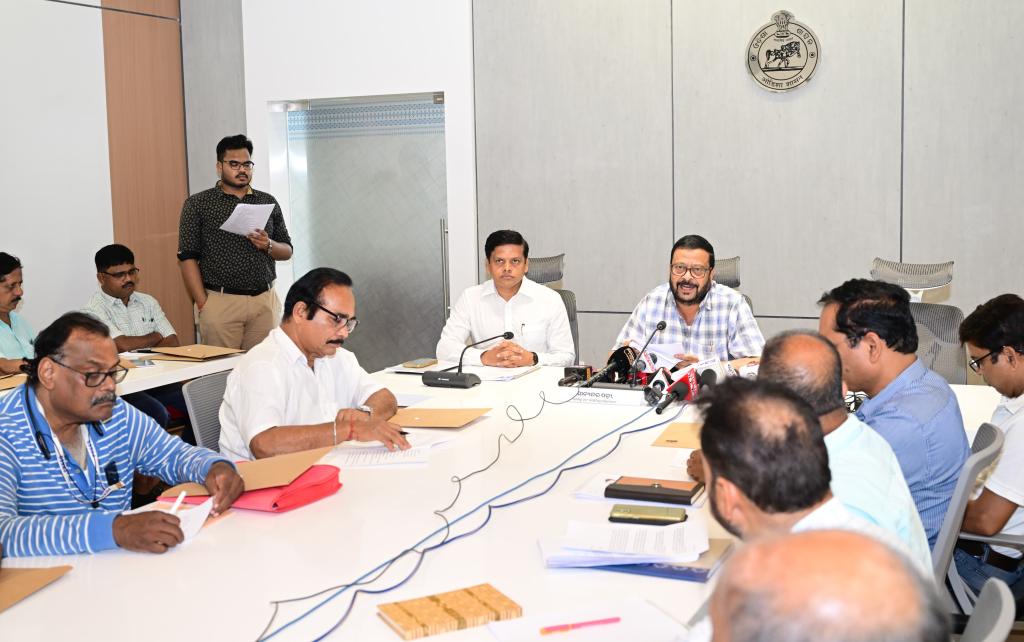
Paperman Media ( Bhubaneswar )- BRICS is a major intergovernmental organization and geopolitical bloc of emerging economies. It brings together Brazil, Russia, India, China, South Africa, Saudi Arabia, Egypt, the United Arab Emirates, Ethiopia, Iran, and Indonesia. Collectively, the bloc represents about half the global population and over a third of the world's GDP.
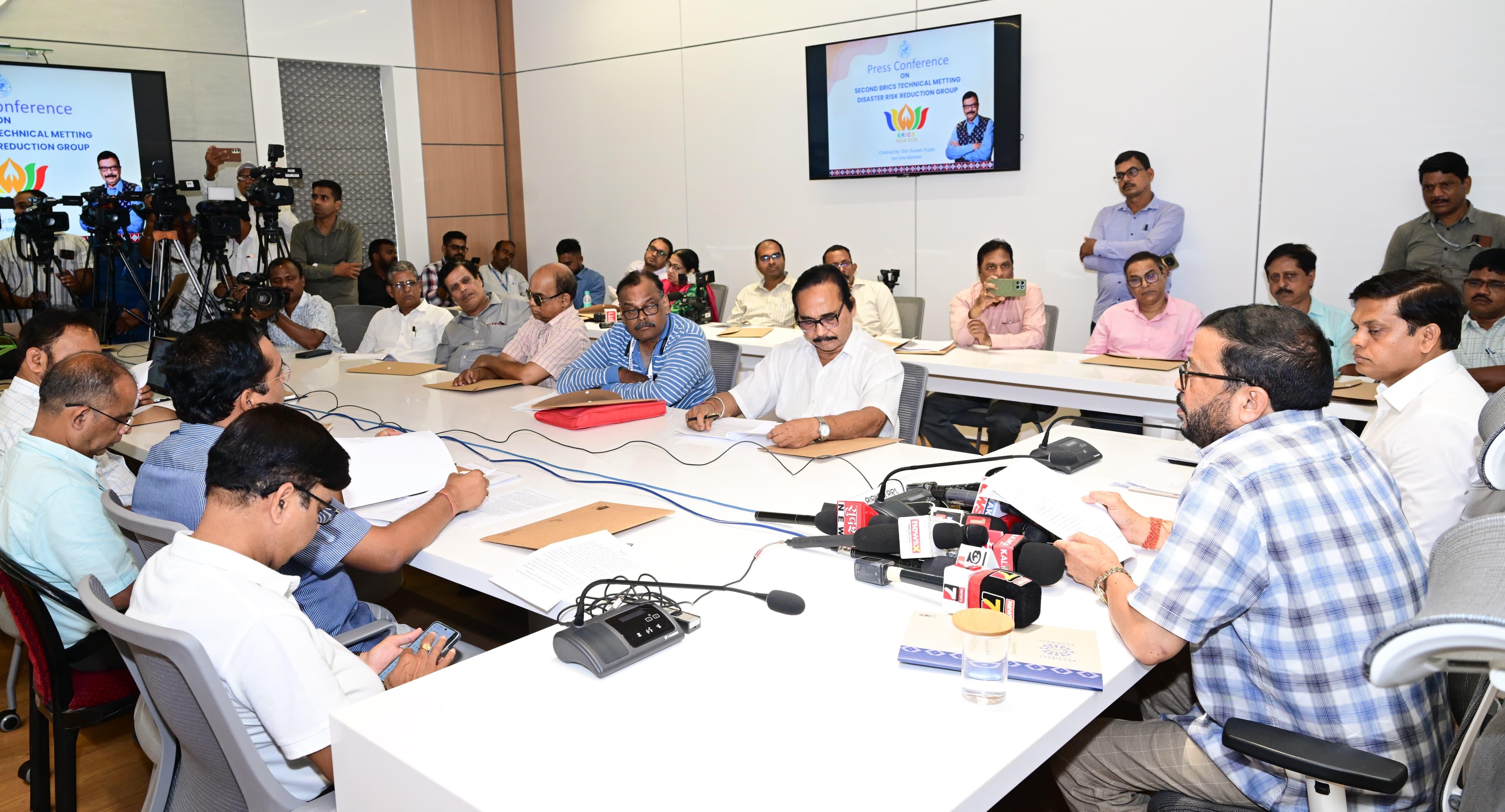
NDMA, India chaired the First Technical Meeting of the BRICS Disaster Risk Reduction Working Group, held virtually on 29–30 April 2026, bringing together member countries to advance a shared agenda on disaster resilience. The first in-person Technical Meeting of the BRICS Disaster Risk Reduction (DRR) Working Group under India's BRICS Presidency is scheduled from June 3 to June 5, 2026. The meeting venue is the Taj Puri Resort in Puri, Odisha, India.
Odisha was chosen as the host state due to its globally recognized milestones in disaster preparedness, effective cyclone management, and early warning systems. Delegates, policymakers, and disaster management experts from BRICS member and partner nations will participate. Deliberations will focus on sustainable DRR financing, resilient infrastructure, anticipatory response, and integrating traditional knowledge into disaster resilience strategies.
Event Overview:
Dates: 03–05 June 2026
Venue: Puri, Odisha
Theme: Building for Resilience, Innovation, Cooperation and Sustainability
Participation: Delegations from BRICS member countries and knowledge partners
*Programme Highlights* :-
1. Pre-Event (02 June 2026)
Arrival of delegates and informal engagement.
2. Side Events (03 June 2026)
Focused thematic deliberations on:
Community-based DRR governance
Disaster risk financing
Multi-hazard early warning systems
Climate-resilient infrastructure
Nature-based and indigenous solutions
Science, technology, and innovation in DRR
3. Main Event – Day 1 (04 June 2026)
Technical discussions on:
Sustainable financing for DRR
Inclusive early warning systems
Cultural engagement (Konark visit)
4. Main Event – Day 2 (05 June 2026)
Technical sessions on:
Climate-resilient infrastructure
Integration of traditional and nature-based solutions
Role of science and technology in DRR
Field exposure visit (Ramachandi boat rescue operations)
*Key Outcomes Expected* :-
Strengthening of BRICS cooperation in disaster risk reduction
Development of technical reports and policy frameworks
Identification of scalable financing and innovation models
Enhanced knowledge-sharing mechanisms among member countries
*Significance for Odisha*
Positions Odisha as a global leader in disaster resilience
Showcases best practices in early warning systems and disaster response
Enhances international collaboration and visibility.