
Shashanka Sekhar Dash Report
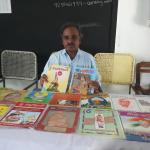
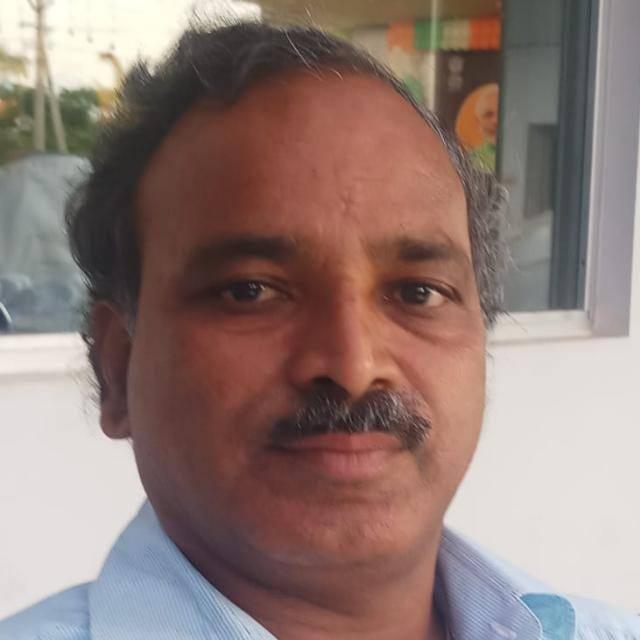
For Mavillapalli Sreenivasulu, a retired education officer from Andhra Pradesh, collecting the inaugural issues of newspapers, magazines and journals is much more than a hobby. It is a lifelong passion dedicated to preserving the history of publications and documenting the evolution of print media.
Sreenivasulu, who retired on June 30, 2026, after serving as a Mandal Educational Officer at Podili and Deputy Educational Officer in the Markapuram Division, began collecting inaugural publications in 1983 while pursuing his Intermediate studies. What started as a personal interest has developed into an impressive collection of 1,757 inaugural issues across different languages.
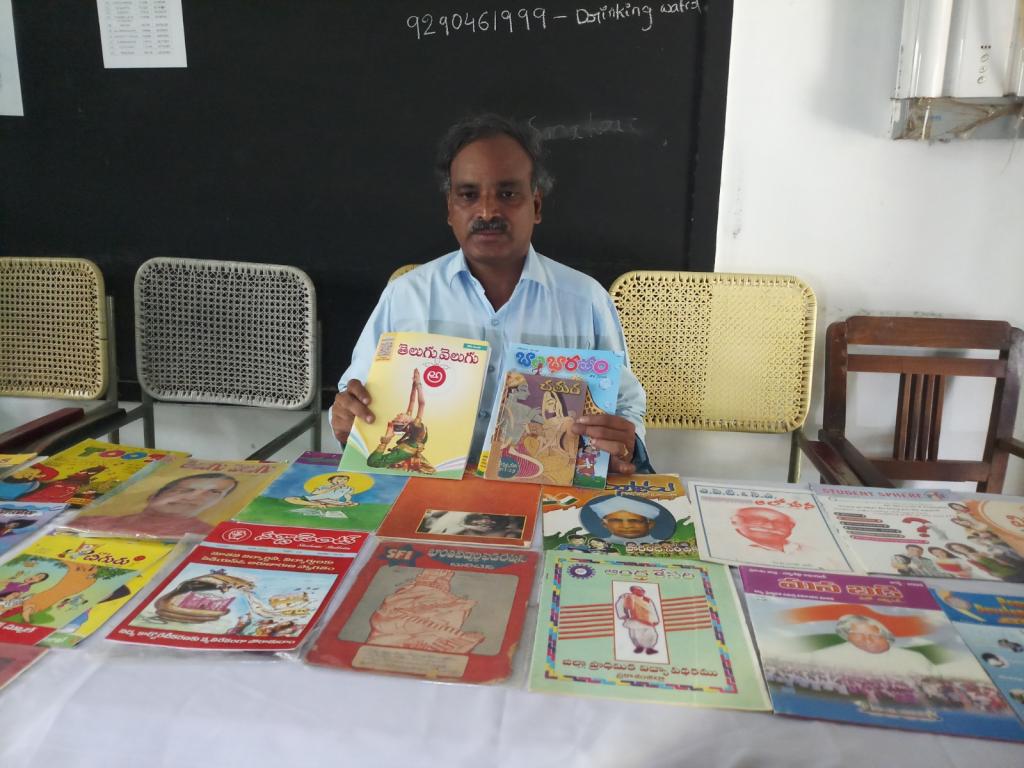
His collection includes magazines, newspapers, journals, bulletins and newsletters. He has particularly focused on the first editions of publications, commonly identified as Volume I, Issue I, or equivalent titles in different languages.
The collection represents India's linguistic diversity, with publications in Telugu, English, Hindi, Odia, Kannada, Gujarati, Bengali, Malayalam, Tamil, Sanskrit and several other languages. Telugu publications form the largest segment of his collection, followed by English and Hindi.
According to Sreenivasulu, inaugural issues are particularly attractive to collectors because they represent the beginning of a publication's journey. While many publications discontinue within two to three years, and some survive for only a year, their first editions remain valuable historical records.
He continued his collection efforts even during the COVID-19 pandemic of 2019–20, when several publishing houses, particularly in Andhra Pradesh and other states, temporarily closed their operations.
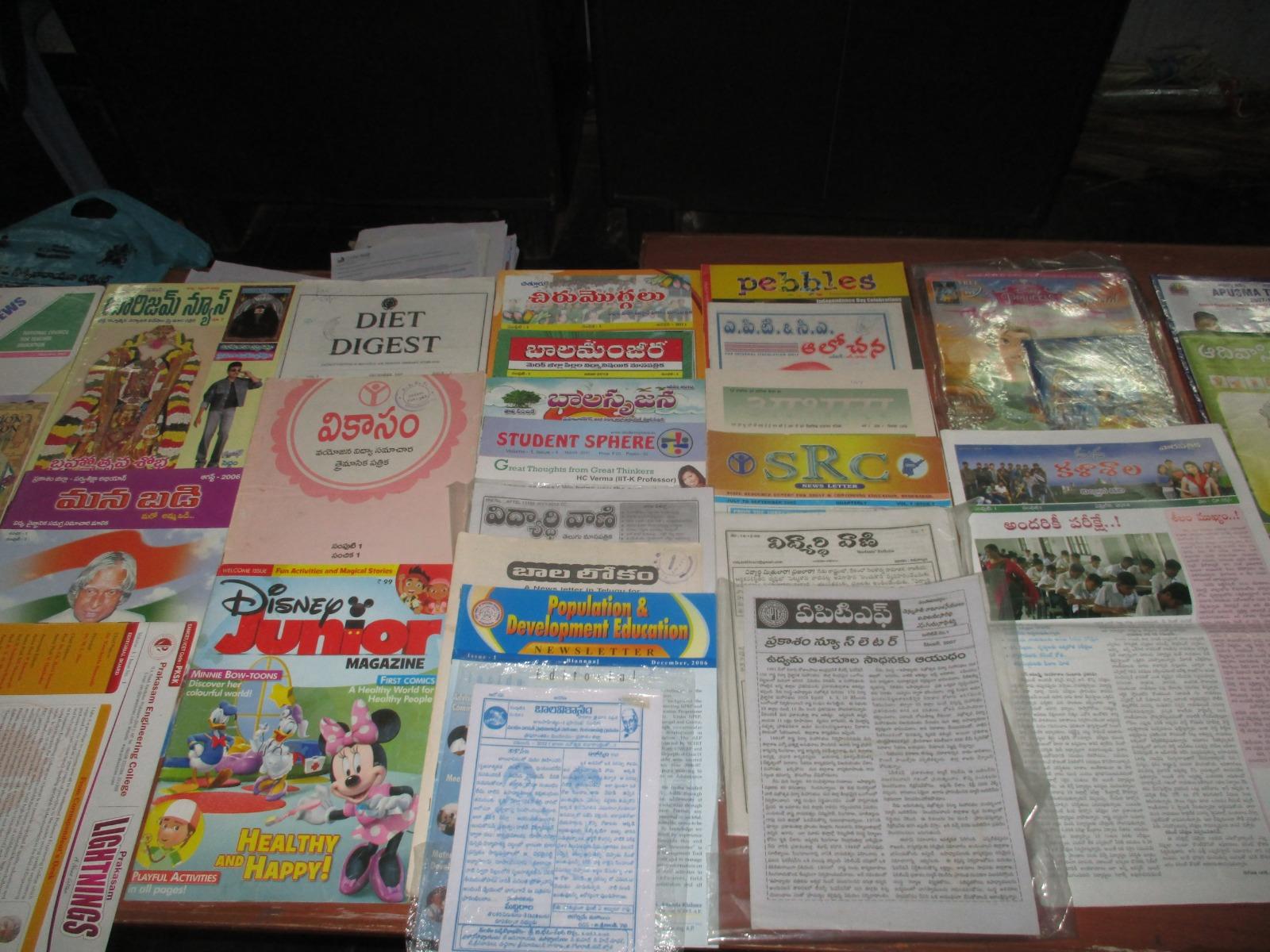
Sreenivasulu has spent nearly Rs. 5 lakh on building his collection. He also takes special care to preserve these valuable publications, as many newspapers and magazines are printed on low-quality paper that gradually deteriorates and undergoes colour changes over time.
One of the oldest inaugural publications in his collection is Devalayala Samacharam, a monthly publication carrying information about temples, published from Masulipatnam in Andhra Pradesh.
His collection covers a wide range of subjects, including politics, spirituality, education, literature, children's publications, cinema, science, history and culture, medicine and health, religion, philately, photography, sports, agriculture and women's issues.
Among his notable collections are Eco, a Spanish magazine from 1960; Swarga Seema, a Telugu publication from 1947; Ivory, Itihaasa, Bazaar, Telugu Velugu, Telugu, The Heritage, The Sunday Indian, Lalit Kala Contemporary and GEO India.
He points out that collecting inaugural issues is challenging because publishers often send their first editions to the Registrar of Newspapers for India (RNI), making them difficult to find at regular newspaper stalls. Some publishers also do not preserve their own launch editions.
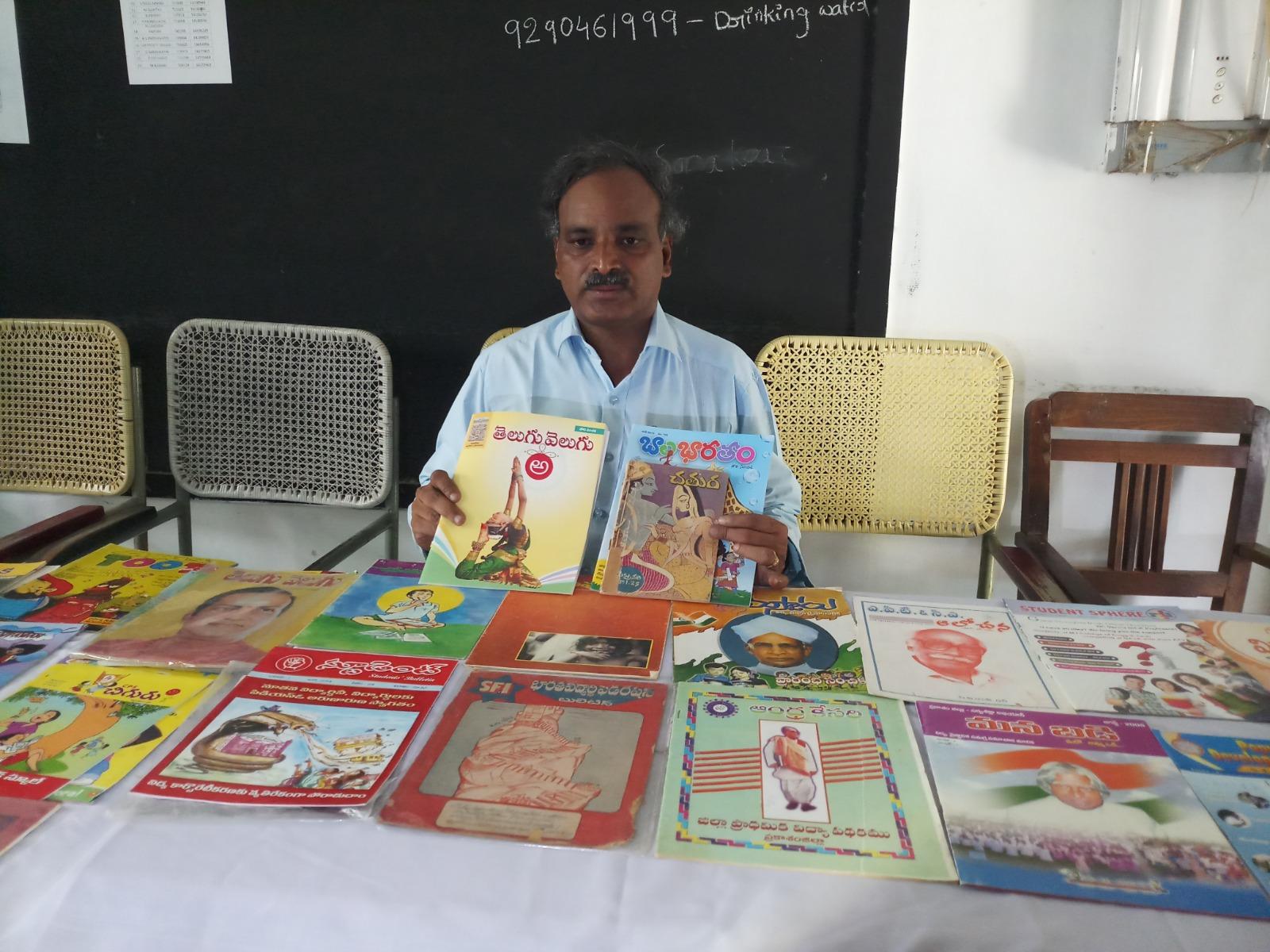
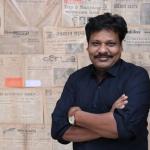
An interesting aspect of his collecting journey is his association with fellow collectors from different parts of the country. He has acknowledged the contributions of Guinness World Records Holder Shashanka Sekhar Dash of Odisha who also popularly known as Paperman and Editor of Paperman India who helped him procure inaugural issues of Odia publications, along with other collectors who supported his efforts in acquiring publications in different languages.
Looking ahead, Sreenivasulu plans to digitise his collection to make these rare inaugural publications accessible to researchers, collectors and enthusiasts across the world.
His extraordinary journey demonstrates how an individual's passion can become a valuable effort towards preserving the documentary heritage of newspapers and periodicals for future generations.